
How Do Flat and Sloped Roofs Differ Structurally?
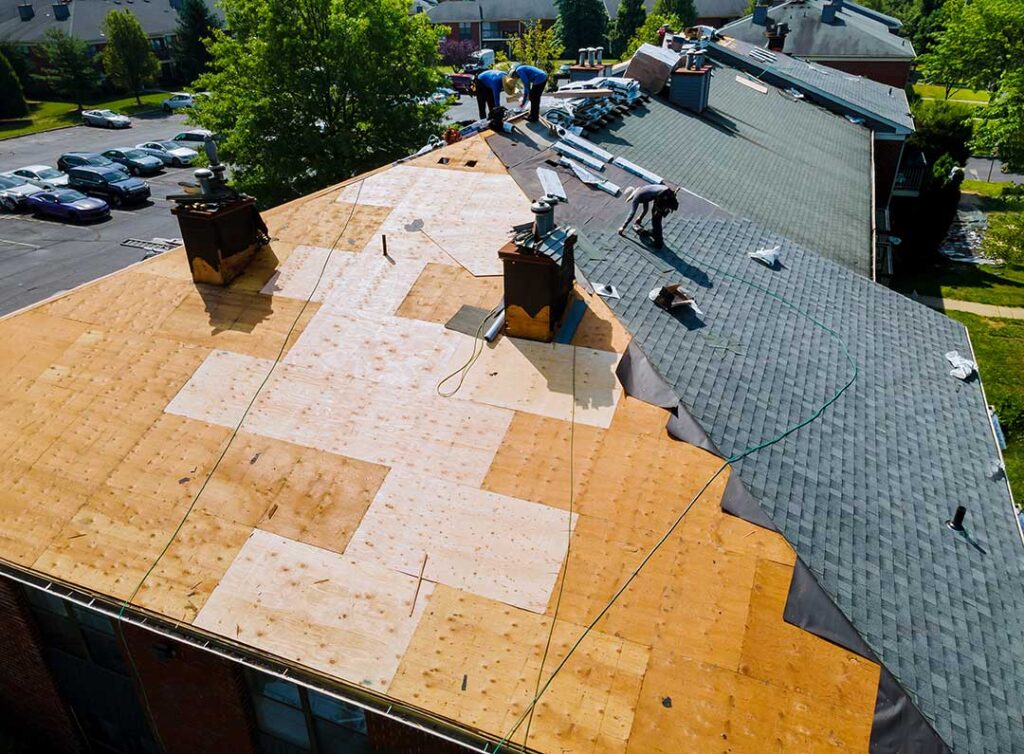
Flat and sloped roofs have fundamentally different designs, which affect their function and suitability for homes in Tonawanda, NY’s climate. Flat roofs use only a slight pitch to channel water to a drain, appearing level to the eye but technically sloped about 1/4 inch per foot. Sloped roofs, by contrast, have a visibly angled surface, typically built in gable, hip, or shed styles.
The design affects both performance and materials. Sloped roofs often use shingles or metal while flat roofs require continuous, waterproof membranes. Understanding these differences helps area homeowners determine which system best matches their needs and property layout.
Which Roof Type Handles Tonawanda’s Snow and Rain Better?
For most homes in Tonawanda, a sloped roof generally manages snow and rain more efficiently than a flat roof. This is because:
- Sloped roofs use gravity to shed water and snow, reducing the risk of pooling or ice damming.
- Flat roofs, even when properly built, can develop drainage issues if not maintained, increasing the chance of leaks or structural stress under heavy, wet snow.
Homes with sloped roofs often see less long-term water-related wear, but flat roofs can perform well with vigilant maintenance and good drainage design.
Are Flat Roofs Suitable for Residential Homes in This Area?
While flat roofs are common on commercial buildings in the city, some residential properties—especially mid-century, modern, or multi-family dwellings—feature flat or low-slope roofs. The big questions for local residents are:
- Flat roofs can work in Tonawanda, but only with strict attention to weatherproofing, insulation, and regular inspection for ponding.
- Homeowners should be prepared for more frequent gutter and drain clearing, particularly after fall leaves or heavy snow.
- Insulation and vapor barriers are especially critical for flat roofs to prevent condensation build-up under colder winter conditions.
Some homeowners choose flat roofs to create usable outdoor spaces or match a specific home design, but must be willing to provide the needed care.
What Are the Common Misconceptions About Flat and Sloped Roofs?
Many people think flat roofs are always problematic or that sloped roofs never leak, but both assumptions miss important details:
- A well-constructed flat roof with proper pitch and drainage can last for decades, though it needs closer supervision than a typical residential sloped roof.
- Sloped roofs can still develop leaks, especially around chimneys, skylights, or where snow and ice persist in valleys.
- Modern materials for both roof types – synthetic membranes for flat, advanced shingles for pitched – have improved the longevity and resilience of each design.
Choosing between these options should be based on property layout, homeowner preferences, and preparedness for maintenance, not just on old assumptions.
How Does Roof Type Affect Energy Efficiency and Comfort?
Roof shape impacts attic ventilation, insulation requirements, and heat retention:
- Sloped roofs typically allow for greater attic space, which helps ventilate excess heat and moisture in summer and winter.
- Flat roofs in the area require more careful insulation planning, as they lack natural attic space and are more exposed to heat loss or gain.
- Both types can be energy efficient with up-to-date insulation and weatherproofing methods. Flat roofs may benefit from reflective membranes or living roof systems to reduce heat absorption, especially as local summers trend warmer.
For older homes where insulation is less robust, roof shape significantly influences comfort and heating or cooling bills.
Which Roof Type Requires More Maintenance?
Flat roofs generally demand more frequent and attentive maintenance:
- Debris removal from drains, inspection of membrane seams, and monitoring areas of ponding is crucial for flat roofs.
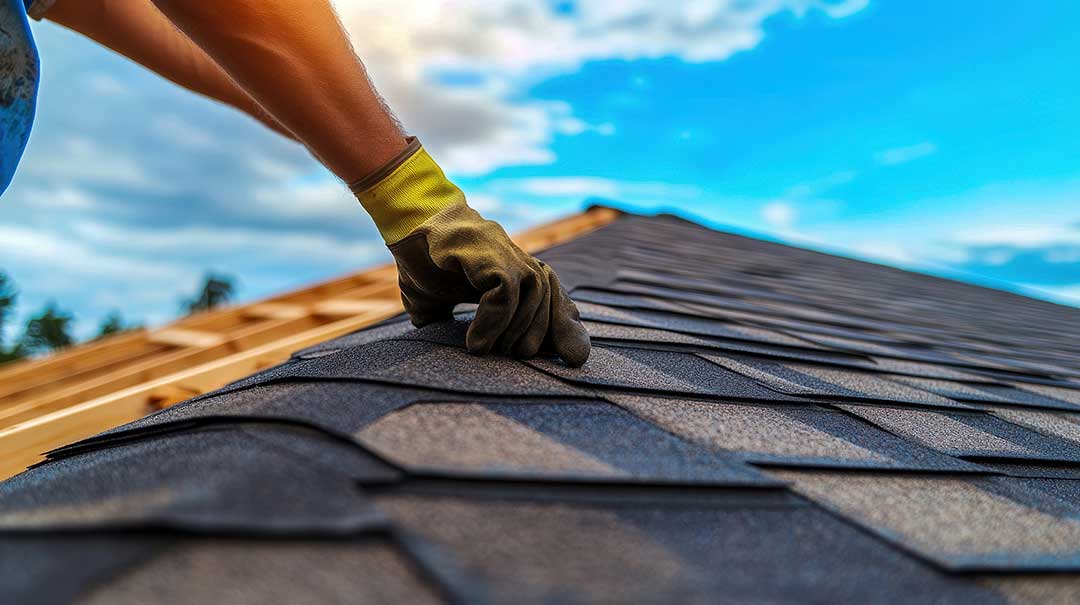
- Sloped roofs generally need less routine care, but regular checks for damaged shingles, flashing, and gutter blockages remain important.
- Both types are vulnerable to storm damage from wind, hail, or falling branches, but flat roofs are less forgiving if minor drainage issues are ignored.
Area residents often find that sloped roofs are better suited for hands-off maintenance and long-term reliability through severe seasonal swings.
Are There Local Regulations or Insurance Factors to Consider?
Tonawanda’s building codes define minimum pitch requirements for new roofs and specify approved materials based on fire safety and weather performance:
- New flat roofs typically require documentation of drainage planning and insulation values.
- Insurance costs may differ: some policies may have stricter requirements or higher premiums for certain types of flat roofs due to perceived risk.
For older homes, repairs often need to match original construction unless upgrades improve compliance. Checking with local officials can clarify which option fits your property type and future plans.
What Factors Should Shape Your Decision in Tonawanda, NY?
Local homeowners should prioritize:
- The age and architectural style of their residence—many older homes were designed for sloped roofs, while some newer or remodeled homes accommodate flat ones.
- Comfort with ongoing maintenance—flat roofs need more hands-on attention through each season.
- Snow load and rainfall patterns—a sloped roof generally offers more peace of mind during harsh winters.
Homeowners interested in maximizing rooftop space, such as for decks or green roofs, may still consider a flat option, but should be ready for increased vigilance and investment.
