

What’s the Real Difference Between Re-Roofing and Roof Replacement?
Re-roofing and roof replacement are two different approaches to fixing an aging or damaged roof. Re-roofing means adding a new layer of shingles over the existing ones, while roof replacement involves removing the old roofing material down to the deck and installing a completely new roof. Each method has its own benefits, limitations, and suitability depending on the condition and age of the existing roof as well as local climate factors.
Why Might a Resident in Tonawanda, NY Choose Re-Roofing?
Re-roofing is generally selected when the existing roof is in relatively good condition but has started to show wear. The process is less labor-intensive than a full replacement, usually faster, and often less disruptive for households.
- Local homes with only one layer of shingles may be eligible for re-roofing.
- Re-roofing is primarily a cosmetic and surface-level solution—it won’t resolve underlying problems such as rot, soggy sheathing, or major leaks.
- In Tonawanda, periods of mild weather are best for scheduling re-roofing, since wet or freezing conditions may delay the process.
For many homeowners in the city, re-roofing is only possible once, since building codes typically prohibit more than two layers of shingles due to weight and fire safety concerns.
When Does a Full Roof Replacement Make Sense?
A full roof replacement is necessary when the roof has significant damage, water intrusion, or multiple layers of shingles already in place. Unlike re-roofing, this method addresses underlying structural or decking issues and extends the life of the roof far beyond a surface fix.
- Full replacement can resolve hidden damage, such as rot, mold, pest infestations, or compromised decking.
- Homes with extensive winter ice damming, past leaks, or visible sagging may require replacement for safety and long-term protection.
Given Tonawanda’s cold, snowy winters and potential for freeze-thaw cycles, replacement may be advised if there’s any suspicion that the underlying roof structure has been affected by ice, moisture, or heavy snow loads.
What Are the Key Steps in Each Process?
Each approach has a different workflow and impact on daily life.
Re-Roofing:
- Old shingles are left in place.
- A new layer of shingles is directly installed on top.
- Repairs to underlying decking or insulation are not possible without a tear-off.
- Generally completed more quickly, with minimal mess.
Full Roof Replacement:
- All existing roofing layers are stripped down to the wood deck.
- The deck is inspected for damage before installing new materials.
- Underlayment and flashing are replaced, ensuring a fresh water barrier.
- The process offers an opportunity to repair insulation or ventilation systems below the roofline.
How Does Local Weather Factor Into the Decision?
In Tonawanda, roofs face heavy snowfall, frequent freeze-thaw cycles, and occasional wind-driven rain. These elements increase the likelihood of hidden water damage under roof shingles. Re-roofing can serve as a short-term refresh but won’t address problems beneath the surface, which can worsen during another harsh winter.
Roof replacement, on the other hand, allows for a thorough inspection and repair of any moisture problems typical in homes across the city. For older houses or those with ventilation concerns—a common issue in densely built neighborhoods—roof replacement is often the more future-proof option.
What Are the Most Common Misconceptions?
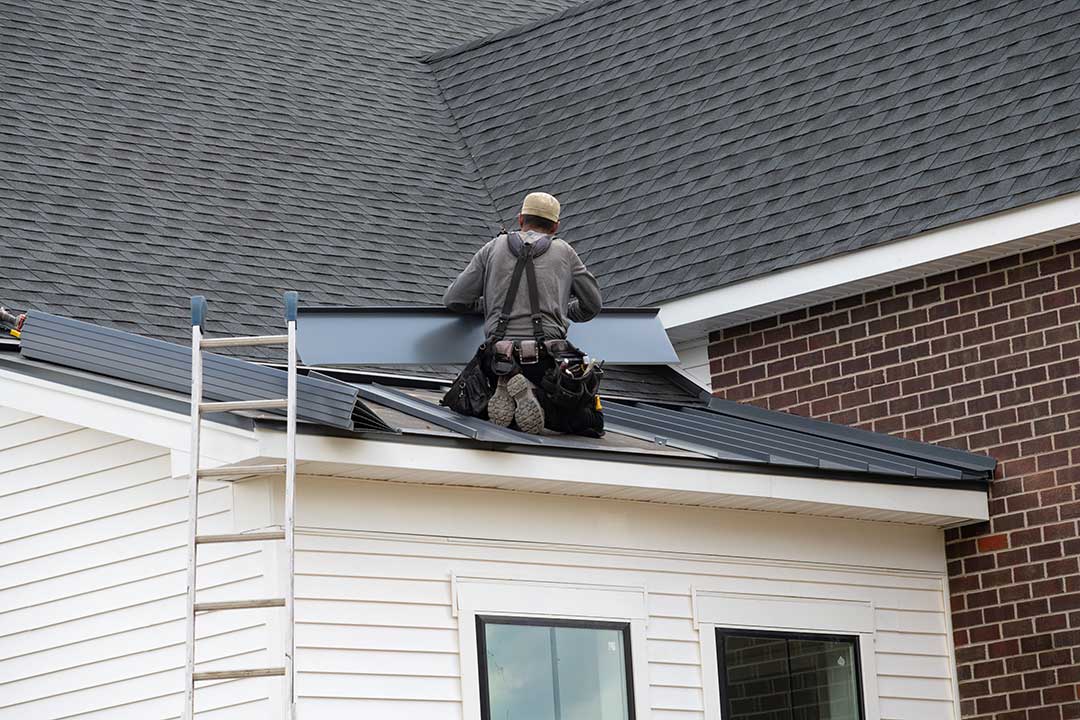
Many residents believe re-roofing and replacement offer the same protection, but this is not the case. Here are a few points people often misunderstand:
- Re-roofing is not allowed on roofs with more than one layer of shingles.
- Adding more layers increases weight, which can stress older homes, especially under heavy snow.
- Underlying rot, leaks, and inadequate ventilation are not addressed by re-roofing.
- A replacement usually increases home value more than re-roofing, due to its longevity and inspection of underlying issues.
How Do Local Building Codes Influence the Choice?
Building regulations affect what is permissible for both repairs and upgrades. In the city, codes typically prohibit more than two layers of roofing for structural and fire safety. This is strictly enforced during roof projects and may impact home insurance. Before starting major roofing work, residents should check that their plans match current guidelines or consult the local building inspection office if unsure.
What Should Residents Watch for Before Deciding?
A careful visual check from the ground or attic can reveal clues about a roof’s health:
- Curled, cracked, or missing shingles that cover a wide area may indicate the need for replacement.
- Extensive granule loss, soft spots in the attic, or recurring leaks point to underlying deterioration best addressed with a full roof replacement.
- If the roof is relatively new and the deck is solid, re-roofing might be reasonable if only one layer of shingles is present.
Always consider safety when evaluating roof damage: walking on a damaged roof can be hazardous, especially after storms or during winter.
How Long Do These Solutions Typically Last?
Residents often ask whether re-roofing or a full replacement offers more longevity. While shingle life depends on material and installation quality, here are some general guidelines for the area’s climate:
- Re-roofed layers typically last somewhat less than a brand new roof because the base layer may already be aged or not perfectly flat.
- Full replacements provide an opportunity to upgrade underlayment and ensure proper installation, making them more resilient against winter weather and extending the lifespan of the system.
The longer-term benefits of replacement—such as energy efficiency and protection from leaks—frequently make it a better investment for homes exposed to harsh local weather.
