
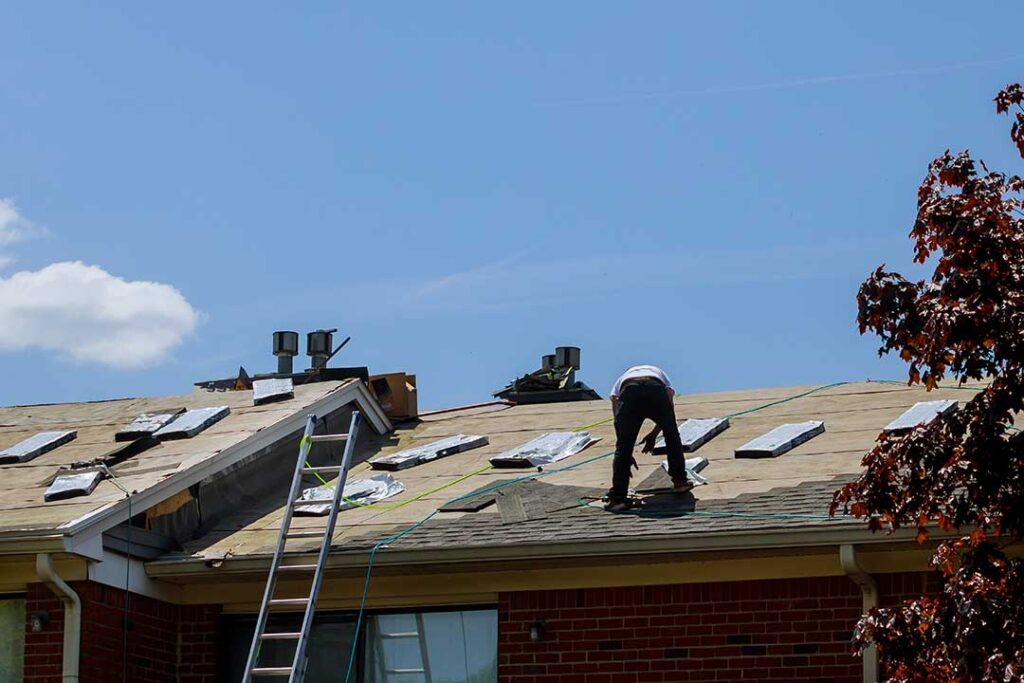
How Does Sunlight Affect Roofs in Tonawanda, NY?
Direct sunlight exposes area rooftops to several stress factors. Ultraviolet (UV) rays and heat interact with roofing materials daily, causing gradual wear that can reduce roof lifespan. This ongoing process affects all homes in Tonawanda, regardless of roofing style.
Because the city experiences long summer days and reflective snowfall during winter, roofs are exposed to sun for large parts of the year. Over time, this exposure accelerates natural aging and can create familiar problems for area households.
What Parts of the Roof Are Most Vulnerable?
Roofs with south- or west-facing slopes receive the most sunlight each day. In Tonawanda’s climate, these surfaces heat up earlier and maintain higher temperatures, especially between late spring and early fall.
Commonly affected elements include:
- Asphalt shingles (subject to granule loss and brittleness)
- Roof cement and sealant (may dry, crack, or lose adhesion)
- Flashing around chimneys and vents
- Skylight and gutter seals
This pattern is often visible where one roof plane looks more faded or curled than another, with the difference sometimes apparent from ground level.
Does Sun Exposure Cause Roof Leaks?
Sun alone does not directly create holes or leaks. However, it initiates changes that set the stage for water to seep in during rain or snowmelt. Here's how:
- UV rays break down the protective top layer on many shingles, exposing underlying material to moisture.
- Prolonged heat cycles cause materials to expand and contract, stressing seals and the bond between individual shingles.
- Over time, heat can cause shingle edges to curl or crack, making it easier for water to work beneath them.
Tonawanda’s combination of summer heat and sudden rainstorms, or heavy winter snow, creates cycles of wetting and drying that further test damaged spots. Residents may first notice issues as minor stains in upper rooms, especially after seasonal weather swings.
How Does the Local Climate Worsen Sun Damage?
Tonawanda’s four-season climate means roofs face multiple risks:
- Sunlight is most intense during late spring through early fall, when daylight hours are long.
- Reflective snow cover in winter bounces UV rays back onto roofs, so exposure can be year-round.
- Seasonal freeze-thaw cycles—where daytime sun warms the roof and nighttime temperatures drop sharply—stress roofing materials and aid cracking.
Local homes with darker shingles or low-pitch roofs tend to absorb more heat, which raises the risk of premature aging compared to lighter-colored, steeper roofs.
How Can Residents Spot Early Signs of Sun-Related Roof Damage?
There are several visible indicators that sun exposure is affecting your roof. Frequent walk-arounds and visual checks from the ground can help identify early issues before they turn into expensive repairs.
Watch for:
- Faded, discolored, or blotchy shingles—especially on south and west sides
- Granules collecting in gutters (indicating shingle top layer is wearing away)
- Curling, warping, or lifted shingle edges
- Cracked or brittle sealants and caulking at vents and flashing
- Exposed nail heads or raised shingle tabs
Area households might also see higher attic temperatures or uneven temperature spots indoors during summer, hinting at UV-related insulation or ventilation impacts.
Are There Materials That Withstand Sun Better?
Different roofing materials react differently to Tonawanda’s sun exposure. Asphalt shingles remain the most common in local neighborhoods due to affordability and suitability to climate, but these are among the most affected by UV rays.
Other common types:
- Metal roofing generally sheds heat well and resists UV damage, though fastener seals require routine attention.
- Slate and tile tolerate sun and heat longer but are heavier and less common on local homes.
- White or light-colored shingles reflect more sunlight, slightly reducing wear in sunny spots.
Homeowners making repairs or replacements might consider both color and UV-resistance ratings to better match local conditions.
Can Anything Reduce Sun Damage on Existing Roofs?
While sunlight cannot be avoided, Tonawanda homeowners can minimize its impact by combining several practical strategies:
- Keep attics well-ventilated to let excess heat escape, reducing roof surface temperature.
- Trim overhanging trees to direct sun exposure, but avoid excessive shade that leads to moss or algae.
- Clean debris from roofs and gutters to prevent moisture retention alongside sun exposure.
Routine roof inspections, ideally after harsh summer or winter seasons, help catch UV damage before it leads to leaks or insulation issues. Small repairs—like sealing exposed fasteners or addressing minor shingle lift—can extend roof service life.
What Are Common Misconceptions About Sun and Roofs?
Many residents believe only older roofs are affected by sunlight, or that damage will be obvious. In reality, even newer materials can develop early signs of wear after just a few seasons. Fading or minor curling may seem cosmetic, but these often signal deeper issues.
Another misconception is that local roofs only need attention after storms or heavy snow. Sun causes gradual changes that build up silently between major weather events, so regular checks are worthwhile throughout the year.
