
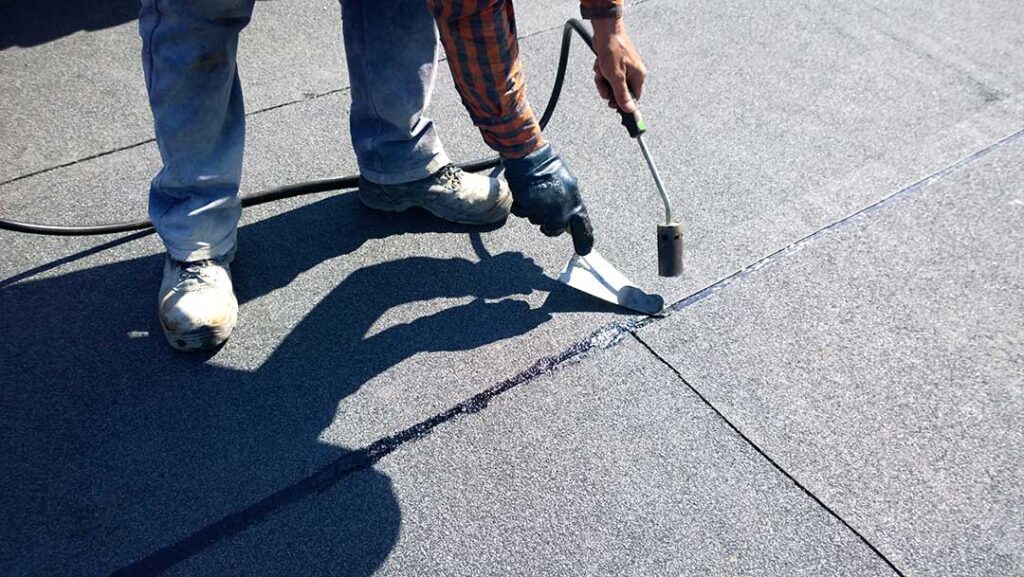
Roof damage rarely stays limited to the original problem. A loose shingle, blocked drainage path, cracked flashing, or small ceiling stain can allow water to move into insulation, wood framing, drywall, electrical components, and finished rooms. In Tonawanda, NY, seasonal weather makes delayed repairs especially risky because roofs must handle freezing temperatures, snow, wind, ice, and repeated thawing.
The financial impact depends on the location, duration, and severity of the damage. A minor repair may remain manageable when addressed early, while the same issue can become a structural or indoor air-quality concern after months of moisture exposure.
How does a small roof problem become an expensive repair?
A roof leak usually follows a longer path than the visible stain suggests. Water may enter near a roof penetration, flashing joint, valley, or damaged shingle, then travel along roof decking or framing before appearing inside the home.
By the time a homeowner notices discoloration on a ceiling, the water may already have affected:
- Roof sheathing beneath the shingles
- Attic insulation
- Rafters or trusses
- Drywall and paint
- Electrical wiring or light fixtures
- Interior flooring and cabinetry
A small opening can also expand. Wind may lift nearby shingles, freeze-thaw cycles can widen cracks, and accumulated moisture can weaken wood. The original roof defect may be inexpensive to correct, but the surrounding materials may require drying, removal, replacement, or testing.
What are the most common hidden costs of delaying roof repairs?
The visible repair is only one part of the total cost. Delayed roof problems often create secondary expenses that are harder to identify at first.
Interior water damage
Water-stained drywall may need more than a coat of paint. If the material remains damp, it can soften, crumble, or develop a persistent odor. Flooring, trim, insulation, and stored belongings can also be affected.
Water entering around a ceiling fixture presents an additional electrical hazard. Turning off power to the affected area may be appropriate if there is active leaking near wiring, but damaged electrical components should not be handled while wet.
Structural deterioration
Roof decking and framing depend on staying reasonably dry. Repeated wetting can contribute to decay, especially where ventilation is poor or moisture remains trapped against wood.
Structural damage is more costly because it may involve opening larger sections of the roof or ceiling to determine how far the deterioration extends. The problem may not be visible from the ground or from the room directly beneath it.
Mold and persistent dampness
Mold does not require a major flood. It can develop when materials remain damp long enough, particularly in warm, poorly ventilated areas. A roof leak that appears seasonal may still leave moisture inside insulation or wall cavities after the ceiling looks dry.
Not every dark mark is mold, and not every leak creates a serious indoor air-quality problem. However, persistent musty odors, recurring stains, or visible growth deserve careful investigation rather than repeated painting.
Damaged personal property
Attics and upper floors often contain boxes, clothing, books, decorations, and seasonal items. A slow leak can damage these belongings before anyone notices. Paper, fabric, and untreated wood are especially vulnerable to staining, odor, and deterioration.
Why is winter weather hard on roofs in Tonawanda?
The local climate creates several conditions that can expose weak areas in a roofing system. Snow adds weight, wind can move or loosen roofing materials, and freeze-thaw cycles can force water into small openings.
Ice dams are another concern. They can form when heat escapes into a cold attic and melts snow on the warmer sections of the roof. The water may refreeze near colder eaves, creating a barrier that directs meltwater beneath roofing materials.
Ice dams are not the only cause of winter leaks. Similar symptoms can result from damaged flashing, blocked drainage, wind-driven rain, or deteriorated sealants. Removing visible ice without addressing the underlying heat or ventilation pattern may not prevent recurrence.
Heavy snow should not be removed casually from a roof. Walking on a snow-covered roof can damage shingles and create a fall hazard. Snow removal becomes a safety matter when accumulation threatens structural loading, blocks critical access, or creates falling-ice risks.
Can a roof still leak if the shingles look fine?
Yes. Shingles are only one part of the roof system. A roof can leak because of problems involving:
- Metal flashing around chimneys, walls, vents, and roof edges
- Pipe boots and other penetrations
- Valleys where water collects and changes direction
- Ice or snow-related damage
- Exposed fasteners or failed sealant
- Clogged or poorly draining gutters
- Damaged underlayment or roof decking
- Condensation caused by attic moisture
This is why a visual inspection from the ground cannot rule out a hidden problem. The absence of missing shingles does not prove that the roof is watertight.
What warning signs should residents take seriously?
Some roof problems are obvious, while others appear gradually. Warning signs include:
- New brown, yellow, or spreading ceiling stains
- Bubbling paint or sagging drywall
- Dripping during rain or snowmelt
- Damp insulation or wet attic wood
- Granules collecting in gutters or near downspouts
- Shingles that are curled, cracked, lifted, or missing
- Daylight visible through the roof deck
- Rusted flashing or exposed fasteners
- Musty odors near upper floors or attic spaces
- Gutters pulling away from the roof edge
- Water appearing far from the location of the actual leak
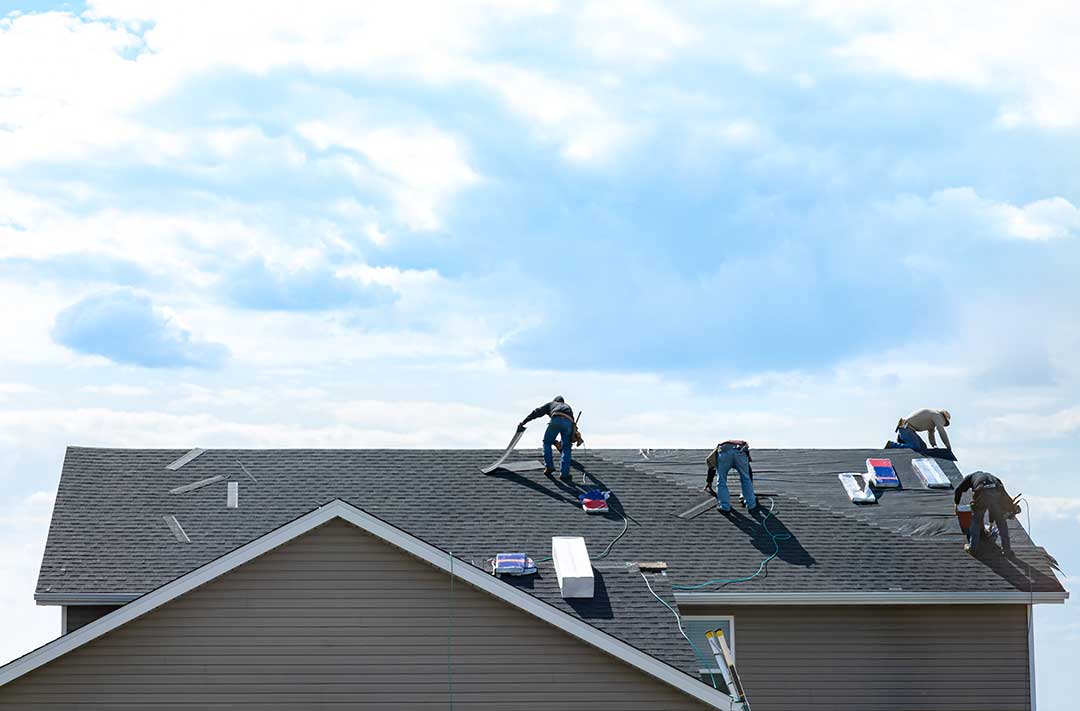
A stain that dries between storms still indicates that water entered the building. Dry conditions may hide the symptom without correcting the cause.
Does homeowners insurance cover roof damage caused by neglect?
Coverage depends on the policy, the cause of damage, and the condition of the roof. Sudden damage from a covered event may be treated differently from gradual deterioration, repeated leaks, poor maintenance, or damage that was left unresolved.
Homeowners should review the policy language before assuming a claim will cover every roof-related expense. Documentation can also matter. Dated photographs, notes about when symptoms appeared, records of temporary protective measures, and receipts for emergency materials may help establish the timeline.
Insurance questions are policy-specific. A general roofing article cannot determine whether a particular loss is covered.
What temporary steps can limit additional damage?
Temporary measures can reduce damage, but they do not replace a lasting repair. If water is entering the home:
- Place containers under active drips.
- Move furniture, boxes, and electronics away from the affected area.
- Avoid touching wet electrical fixtures or exposed wiring.
- Use caution around sagging ceilings, which may hold water.
- Photograph visible damage and note the date and weather conditions.
- Keep temporary coverings secure and away from unsafe roof access.
- Check the attic only when it can be done safely and without stepping between framing members.
Tarping or roof access can be dangerous in wind, rain, snow, or icy conditions. Falls, hidden weak decking, and electrical hazards make some situations unsuitable for do-it-yourself work.
When does a roof problem become urgent?
Immediate attention is warranted when a ceiling is sagging, water is near electrical equipment, the roof has a large opening, structural wood appears weakened, or interior flooding is underway. A damaged roof after severe wind or heavy snow may also require prompt evaluation to prevent additional water entry.
A minor stain with no active moisture may be less urgent, but it should still be documented and investigated. Delaying because the leak appears to have stopped can allow hidden materials to remain damp or deteriorate.
The true cost of a roof problem is often determined less by the original defect than by how long moisture is allowed to spread. Early recognition, safe temporary protection, and careful documentation can help limit the transition from a localized roof repair to a larger home-repair project.
