
Are All Roofs Built the Same Way in Tonawanda, NY?
No, roofs in Tonawanda vary significantly depending on age, materials, and the era when the home was built.
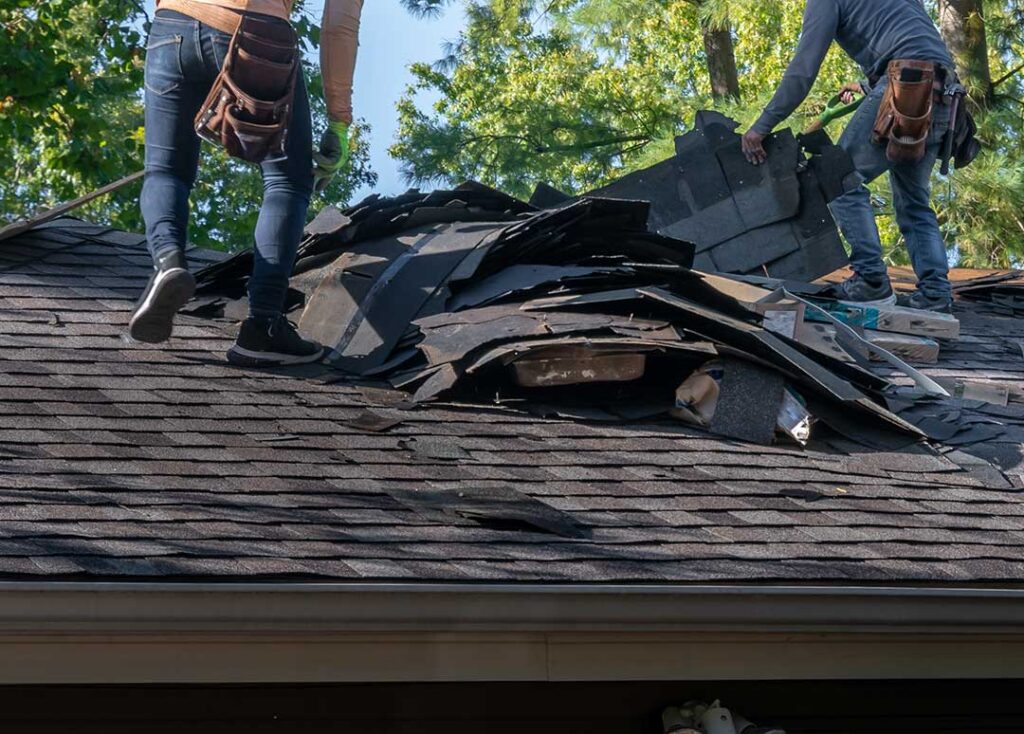
Many residents assume every roof in the city works and is constructed the same, but the reality is much more complex. Older homes, common in many neighborhoods, often have different underlayments, fewer layers of insulation, or even original roofing materials like slate or wood that behave differently than modern asphalt shingles. Newer homes often have modern ventilation systems, ice shields, and improved moisture barriers to cope with the region’s snowy winters and freeze-thaw cycles. Knowing which type of roof your home has can impact how you maintain it and what problems may develop.
Is Roof Damage Only Cause for Concern After a Major Storm?
Roofing issues can develop gradually, not just after severe weather.
Many people overlook everyday wear and tear produced by the area’s shifting seasons, not realizing that small leaks, loose shingles, or minor flashing problems may emerge even without a storm. The freeze and thaw cycles common in Tonawanda winters can cause existing cracks to widen or seals around vents and chimneys to loosen. Moss or algae buildup from our humid summers may not look severe but can shorten shingle life by retaining moisture. Regular roof checks can help catch these less obvious problems before they become emergencies.
Does a New Roof Mean Maintenance-Free Living?
Even a brand-new roof needs ongoing care, especially in Tonawanda’s climate.
Some residents believe that replacing their roof means years of worry-free living. While a new installation certainly provides peace of mind, local conditions like heavy snow loads, spring temperature swings, and debris from nearby trees all take a toll. Clearing gutters, removing branches, and looking for missing shingles or granule loss each spring and fall can help extend the life of any roof, regardless of age.
Can All Roofing Materials Handle Tonawanda’s Weather?
Not every roofing material is ideal for local conditions.
Some homeowners believe that any shingle or roofing product on the market is suitable for the city’s weather. However, certain materials fare better than others. For example, standard three-tab asphalt shingles may not always withstand repeated ice damming or wind events as well as more robust architectural shingles. Flat or low-slope roofs—a feature on some homes and garages—require extra attention because standing water from melting snow or rain can worsen leaks.
Are Ice Dams Only a Problem for Old Homes?
Ice dams can affect homes of any age in the region.
It’s a common misconception that ice dams—those thick ridges of ice that build up along roof edges in winter—only happen on older, drafty houses. In reality, any home where heat escapes into the attic and melts snow on the roof can develop ice dams. Inadequate insulation, blocked roof vents, or even recessed lighting in the attic can contribute to the problem, no matter how new the house is or how recently the roof was replaced.
Do Roof Leaks Always Start Directly Over Water Stains?
A stain on the ceiling is not always a sign of a leak directly above that spot.
Water has a way of following rafters or traveling along insulation before it appears inside a home. Residents sometimes assume the leak begins directly above a stain, but water may have entered several feet away due to wind-driven rain, damaged flashing near a chimney, or a clogged vent stack. This makes pinpointing leaks more involved, especially in homes with complicated rooflines or attic spaces.
Is DIY Roof Repair a Practical Option for Small Problems?
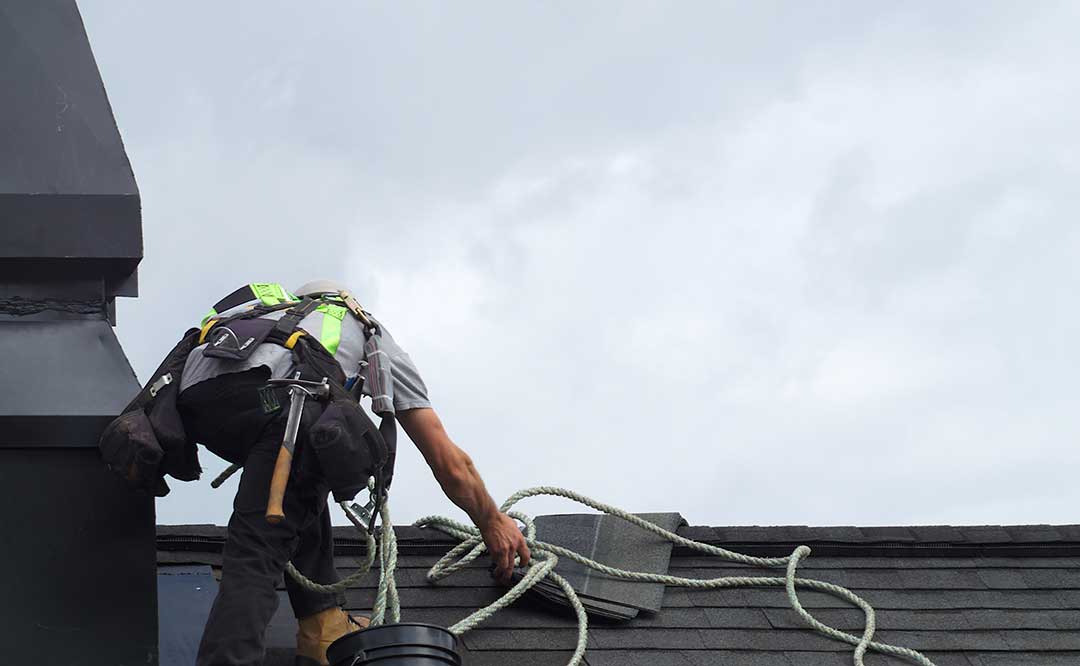
Small roofing jobs can be riskier and more complex than they appear.
Local households sometimes try to tackle repairs with a caulk gun or spare shingle, imagining this will fix minor issues. However, working on a sloped, potentially icy or brittle roof—even just a few feet up—involves real risks. Incorrect repairs can unintentionally cause further damage, for example, by trapping moisture under a patch or using incompatible materials that don’t expand and contract along with local temperature swings.
Will Dark-Colored Roofs Always Cause Higher Cooling Bills?
Roof color affects temperature, but insulation and ventilation matter more.
A common belief in the community is that darker shingles will automatically make homes hotter during the summer months. In practice, attic ventilation and insulation play a far larger role in regulating indoor temperatures than roof color alone. In homes with good airflow and thick insulation—standards increasingly common in Tonawanda building codes—roof color is unlikely to have a dramatic impact on comfort or utility costs.
Do Roofing Warranties Cover Every Type of Damage?
Most warranties include limits and may not cover every scenario.
It’s a surprise to some residents that a roofing warranty may not apply to every type of problem. Manufacturer warranties typically cover defects in materials, not damage from storms, improper installation, or lack of maintenance. Local homes surrounded by mature trees or exposed to lake-effect snow may face exclusions for issues that arise from falling branches, ice, or repeated foot traffic across the roof.
Why Is Understanding These Misconceptions Important?
Recognizing the limits of common beliefs helps area residents make better choices for their specific homes.
By understanding these misconceptions, local homeowners and tenants can monitor their roofs more effectively, communicate better with professionals when required, and make informed maintenance decisions tailored to the climate and housing patterns in the region. The city’s mix of older properties and newer builds creates unique roofing needs and risks, so avoiding broad assumptions leads to safer, longer-lasting roofs for everyone.
