
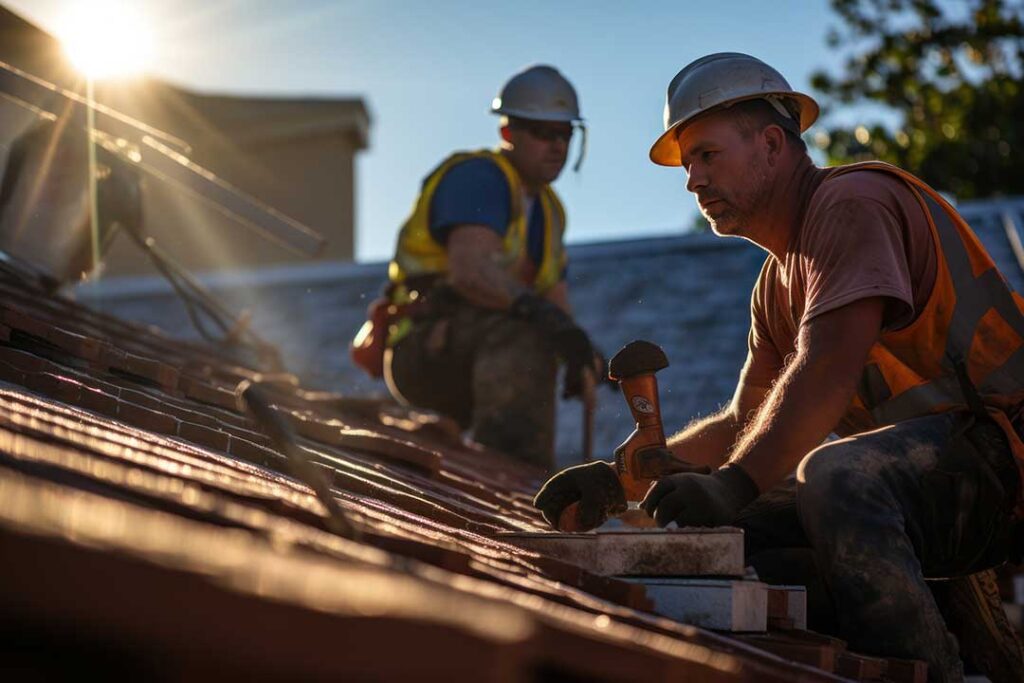
Why Should Residents in Tonawanda, NY Remove Debris from Their Roofs?
Leaving debris such as leaves, branches, and dirt on your roof can block gutters, trap moisture, and lead to costly repairs. In Tonawanda, seasonal changes bring wind, storms, and falling leaves, making roof maintenance especially relevant for local households.
Consistent removal helps:
- Prevent ice dams during winter by allowing melting snow to drain properly
- Avoid moisture buildup, which can cause mold, rot, or leaks
- Deter pests who may nest in piles of leaves or twigs
What’s the Safest Way to Access Your Roof?
The safest approach is by using a sturdy ladder placed on level ground. Many Tonawanda homes have pitched roofs common to the region’s residential areas; take extra care with these.
Basic safety checklist:
- Use a ladder long enough to extend past the edge of the roof by at least 3 feet
- Wear nonslip, closed-toe footwear
- Never work alone—someone should be nearby to assist if needed
- Avoid roofs that are wet, icy, or during high winds
If your roof is particularly steep or high, restricting your work to a ladder and not climbing onto the roof itself is often the safest strategy.
Which Tools and Equipment Are Most Useful?
Simple, non-abrasive tools usually do the job for most households. Popular choices include:
- A plastic leaf rake or soft broom for gentle sweeping
- Heavy-duty work gloves to protect your hands from sharp debris or rough shingles
- A handheld leaf blower (battery-powered is quieter and less disruptive)
- A small plastic shovel if heavier debris or small branches are present
Avoid metal tools, which can damage shingles or roofing materials.
How Should You Remove Debris Without Damaging the Roof?
Start by gently moving loose items down toward the edge, not up against the direction of the shingles. Always work from the top down to avoid forcing water under the roofing materials.
Tips for effective removal:
- Lift heavy branches off rather than dragging them
- Collect debris in a bucket or tarp to minimize trips up and down your ladder
- For flat roofs, push debris towards a convenient spot for collection, avoiding any drains
A common mistake is using pressure washers, which can loosen shingles or force moisture underneath them.
What Should You Know About Cleaning Out Gutters and Downspouts?
Clogged gutters are a frequent cause of roof problems in neighborhoods with mature trees. Overflow during rain can damage fascia boards and cause basement leaks.
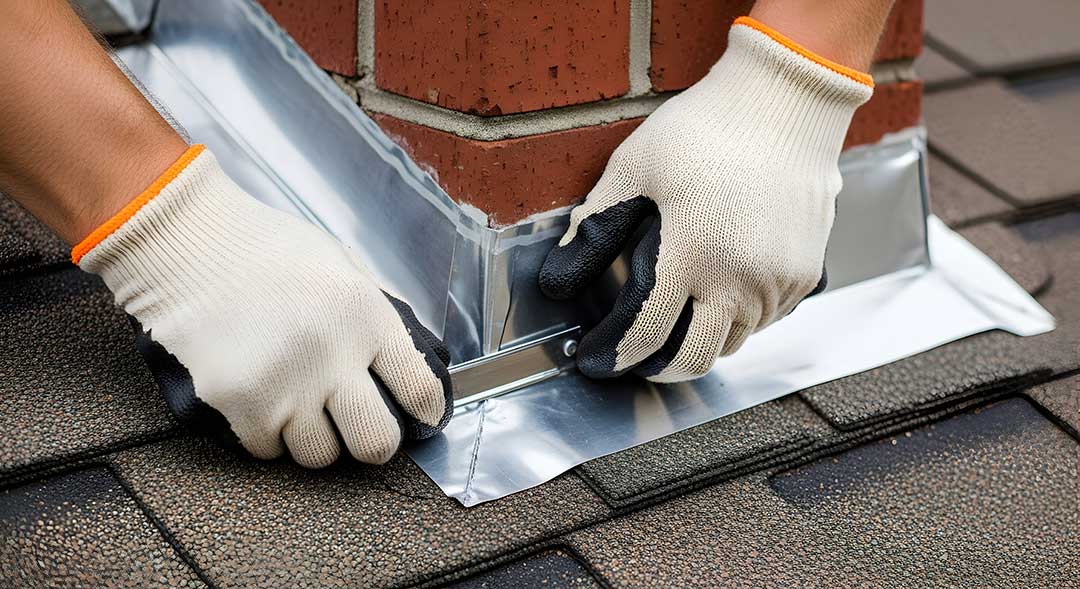
Key steps:
- Use scoop tools or gloved hands to clear leaves and twigs
- Flush out the gutters with a hose to check that water flows freely
- Ensure downspouts aren’t blocked at ground level
Tonawanda’s autumn leaf drop can quickly fill gutters, so schedule cleaning in late fall, and again after winter if needed.
Can Roof Debris Encourage Moss or Algae Growth?
Yes—many area homes experience moss or algae, especially on north-facing slopes that stay damp. Debris traps moisture, creating ideal conditions for growth. Over time, this can break down roofing materials or lead to slippery surfaces.
After major debris is removed, lightly brush off any existing moss. Never use harsh chemicals; instead, try rinsing with water or applying a mild roof cleaning solution made specifically for residential roofs.
How Often Should Debris Be Cleared for Homes in Tonawanda?
The right frequency depends on the amount of tree cover, roof slope, and seasonal weather. Generally, area households benefit from checking their roof:
- Every spring, after snow and ice have melted
- In autumn, after the majority of leaves have fallen
- After heavy wind storms, which can deposit branches and litter
Spot checks after major weather events help prevent hidden issues from developing.
What Conditions or Hazards Should Prompt Extra Caution?
Some situations require more care—or a pause until conditions improve. These include:
- Steep, high, or slippery roofs
- Storm debris that may include damaged power lines or unstable tree limbs
- Any sign of roof structural damage, such as sagging or missing shingles
In such cases, minimizing risk by limiting yourself to ground-level or ladder work is wise. For hazardous scenarios involving electrified wires or unstable surfaces, reporting the hazard to local officials is the best step.
