
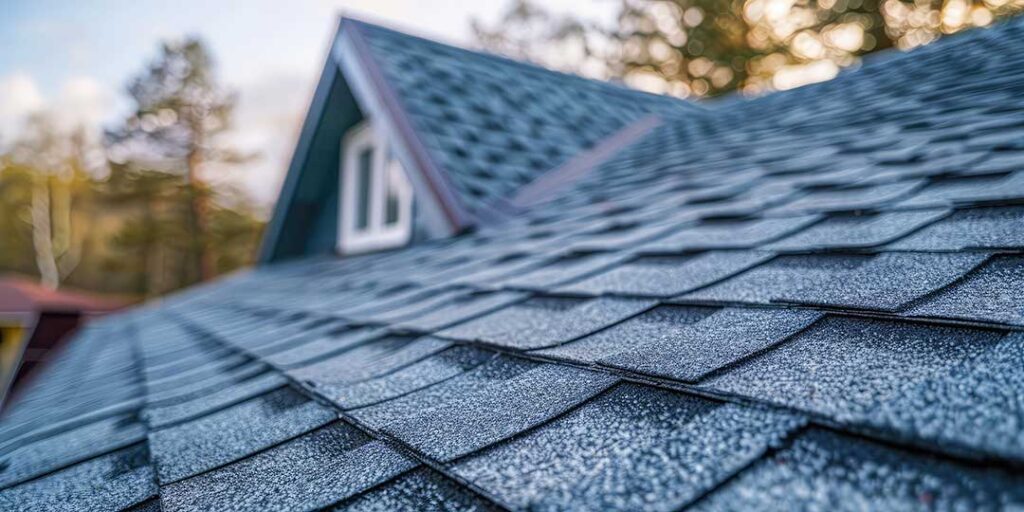
How Can Delaying Roof Repairs Affect a Home in Tonawanda, NY?
Putting off roof repairs—even seemingly minor ones—can lead to much bigger headaches for area homeowners. Exposed to four seasons of change, the region’s homes depend on a sturdy roof for protection from rain, snow, thaw cycles, wind, and the occasional severe storm. Ignoring issues may start small, but over time, they nearly always become more complicated and expensive to address.
Does a Small Leak Really Matter?
A small leak typically signals that roofing materials have been damaged or worn through, allowing water to enter. Here’s what can happen if action isn’t taken quickly:
- Moisture will often spread beyond the original entry point, saturating attic insulation, weakening rafters, and encouraging the growth of mold.
- In Tonawanda’s wet seasons, even a short period of infiltration can prompt musty odors, water staining, and the gradual compromise of ceilings and walls.
- What might have been a minor patch can ultimately become a much larger repair—sometimes requiring structural work.
For anyone questioning whether a drip is worth immediate attention, it’s important to consider the cumulative impact of repeated rainfalls or snowmelts throughout the year.
Can Neglected Roof Damage Increase Heating and Cooling Bills?
Unrepaired roof damage—including missing shingles, cracked flashing, or even clogged gutters—can significantly reduce a home’s energy efficiency. Gaps permit drafts and allow heat to escape during the winter or seep in through the summer:
- Homeowners in Tonawanda frequently notice higher energy bills after small roof issues go unaddressed.
- Heavy attic moisture caused by leaks can also degrade insulation’s effectiveness, compounding the problem.
- Over time, ongoing energy loss can cost far more than the initial repair would have.
What Mold Risks Come With Roof Neglect?
Moisture from a leaking roof provides the perfect environment for mold growth. During high-humidity months, mold spores can quickly spread from attics to living areas, risking both property and health:
- Mold and mildew can deteriorate wood framing, drywall, and stored belongings.
- Spores may exacerbate allergies, asthma, and other respiratory problems, especially for children and older adults.
- Once mold is established, remediation is much more disruptive and costly than a simple roof fix.
Many residents overlook attic mold because it’s out of sight; regular roof checks help catch issues before mold has the chance to spread.
What About Structural Damage—How Serious Can It Get?
Persistent leaks or missing sections of roofing let water consistently reach underlying wood beams and supports. This slow saturation can result in:
- Warping, swelling, or rotting of critical load-bearing elements.
- Sagging rooflines or rippled drywall visible from inside the home.
- In more severe cases, partial ceiling collapse or loss of roof integrity.
Especially in older homes with original construction, even localized water damage can create serious safety concerns if not addressed in time.
Are Unrepaired Roofs a Home Insurance Issue?
Many homeowners in the area assume insurance will cover any resulting damage from roof leaks. However, most policies require regular maintenance and may exclude damage resulting from neglect:
- Delays in repair often mean smaller problems turn into uncovered claims because they could have been prevented.
- Insurers sometimes decline coverage for mold remediation or water intrusion due to evident long-term neglect.
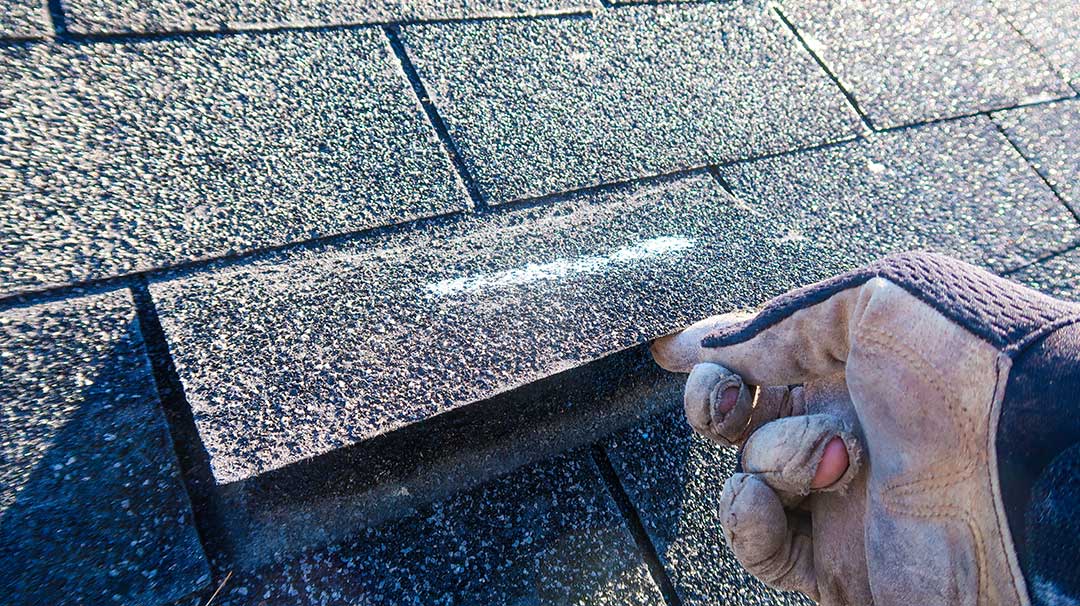
To avoid disputes or unexpected costs, homeowners are encouraged to keep records of roof checks and maintenance actions.
How Can Ignoring Repairs Affect Home Value or Sale?
A neglected roof is easy to spot during inspections and will usually become a sticking point for potential buyers:
- Damp smells, visible stains, or sagging ceilings are common warning signs.
- Prospective buyers may request substantial concessions or back out of a sale entirely.
- Lenders can decline financing for properties with clear roof issues.
Keeping up with small repairs helps protect both a home’s livability and market value.
Are There Specific Weather-Related Risks in Tonawanda?
Given the community’s mix of heavy snow, ice, and rain, area roofs are under near-constant stress. Issues unique to the local climate include:
- Ice dams forming at eaves, causing water to back up under shingles.
- Freeze-thaw cycles, where repeatedly melting and refreezing snow can widen small gaps into larger leaks.
- Wind-driven rain during storms that exploits even hairline openings.
Seasonal maintenance helps uncover and address these issues before they can take a toll.
Can Delayed Action Lead to Unexpected Emergencies?
Routine neglect can lead to catastrophic failures at the worst times—often after a heavy snow event or windstorm. Emergency repairs, especially in the middle of severe weather, tend to be much riskier, costlier, and subject to unpredictable wait times.
Local residents report emergencies such as:
- Water pouring into living areas after a late-winter thaw.
- Shingle blow-offs exposing large roof sections just before forecasted rain.
- Attic collapses discovered only after a season’s worth of snow has melted.
Simple, timely repairs remain the surest way to avoid disruptive crisis scenarios when weather is least cooperative.
