
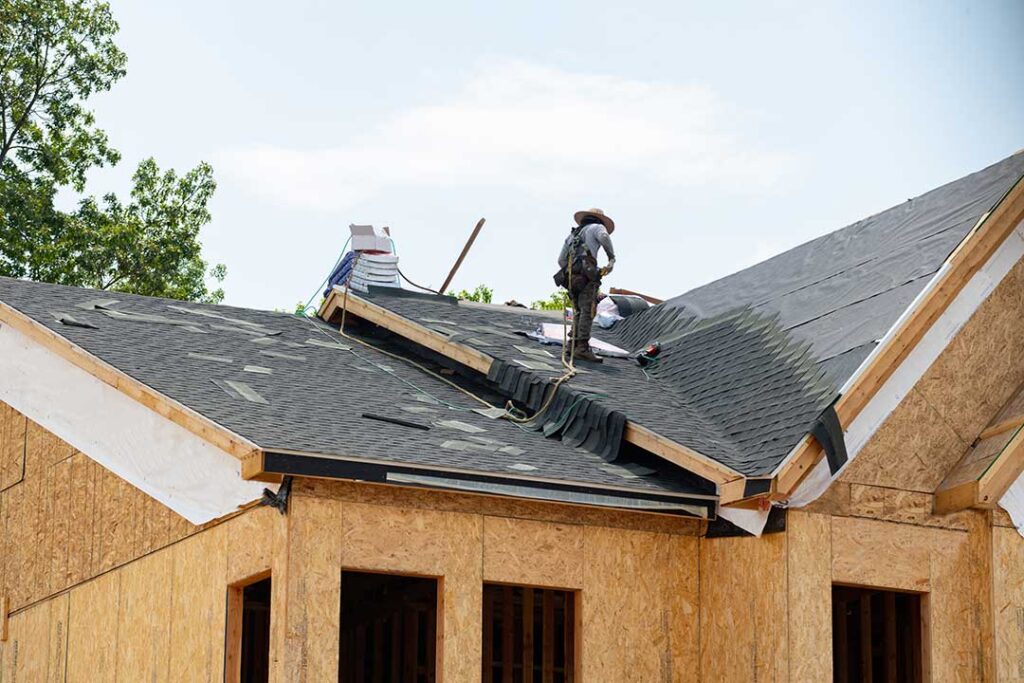
Roof underlayment is the protective layer installed between the roof deck and the outer roofing material. Although it is hidden after installation, it helps manage water that gets beneath shingles, protects the roof deck during construction, and adds an extra line of defense against wind-driven rain, melting snow, and ice-related leakage.
What does roof underlayment do?
Roof underlayment covers the roof deck before shingles, metal panels, or another roof covering are installed. Its main purpose is to reduce the chance that water reaching beneath the outer roof covering will enter the building.
Underlayment can help:
- Protect wood roof decking from temporary exposure during installation
- Guide incidental water toward the eaves and drainage system
- Reduce damage from wind-driven rain and melting snow
- Cover small gaps between roofing materials
- Provide added protection around valleys, penetrations, eaves, and other vulnerable areas
- Help meet building-code and roofing-manufacturer requirements
It is not intended to replace properly installed shingles, flashing, ventilation, or drainage. A roof can still leak if the outer covering is damaged or if flashing is poorly designed, even when the underlayment is present.
What are the main types of roof underlayment?
Most residential underlayment falls into three broad categories: asphalt felt, synthetic underlayment, and self-adhering membrane.
Asphalt felt is a traditional paper-like material saturated with asphalt. It has been used under shingles for many years and is available in different grades. Felt can provide reliable secondary protection when installed correctly, but it may wrinkle, tear, or absorb moisture if left exposed for too long.
Synthetic underlayment is made from polymer-based materials. It is generally lighter than felt, resists tearing, and often tolerates limited exposure to weather during construction. Synthetic products vary considerably, so the specific product’s approved exposure period and fastening requirements matter.
Self-adhering membrane uses an adhesive backing to bond to the roof deck. Many products are designed for areas where water backup is more likely, such as eaves, valleys, wall intersections, and roof penetrations. Some are also approved for broader roof coverage. These membranes must be installed on a suitable, clean, and properly prepared surface.
The right material depends on the roof covering, slope, deck material, climate exposure, and installation instructions. A product that works beneath asphalt shingles may not be appropriate beneath every metal, tile, or low-slope roofing system.
Why is underlayment especially relevant in Tonawanda?
Tonawanda experiences conditions that can test a roof’s secondary water protection. Freeze-thaw cycles, winter precipitation, strong winds, spring rain, and periods of snow accumulation can all expose weaknesses around roof edges and penetrations.
Ice is a particular concern. When snow melts on a warmer portion of the roof and refreezes near a cold eave, an ice dam can form. Water may then back up beneath the shingles. An ice-barrier membrane near the eaves can reduce the risk of water reaching the roof deck, although it cannot correct poor attic insulation, blocked ventilation, or every drainage problem.
Roof design also matters. Lower-slope sections, dormers, porch connections, valleys, and areas near chimneys or walls usually require more careful detailing than a simple uninterrupted roof plane.
What is an ice barrier, and is it the same as underlayment?
An ice barrier is a specialized form of underlayment intended to resist water that backs up beneath the roof covering. It is commonly made from a self-adhering polymer-modified bitumen membrane or from multiple approved layers of underlayment sealed together.
An ice barrier is not the same as ordinary felt or synthetic underlayment. Standard underlayment may slow incidental water, while an ice barrier is designed to create a more water-resistant seal at vulnerable roof edges and details.
For many residential roof coverings, New York requirements call for an ice barrier extending from the lower roof edge to a specified distance inside the exterior wall line in areas with a history of ice formation. The exact requirements can depend on the roof covering, slope, building type, code edition, and project conditions.
This is one reason an older roof should not be evaluated only by looking at the shingles. The visible roofing may appear serviceable while the underlayment at the eaves or valleys is missing, deteriorated, or improperly positioned.
Where should underlayment receive extra attention?
Certain roof areas are more likely to experience water movement or backup:
- Eaves and lower roof edges
- Valleys where two roof planes meet
- Around chimneys, skylights, and plumbing penetrations
- Sidewalls and headwalls
- Roof-to-porch connections
- Dormer corners and roof transitions
- Areas beneath damaged or missing shingles
- Low-slope sections that drain more slowly
In these locations, underlayment works together with metal flashing, sealants where appropriate, properly lapped materials, and the roof covering. Underlayment alone cannot compensate for missing step flashing or an incorrectly installed valley.
Does a new roof always require new underlayment?
A full roof replacement typically involves inspecting and replacing underlayment as part of the roof assembly. Reusing old material may be allowed in limited circumstances, but it depends on its condition, whether it is firmly attached, whether the roof deck remains sound, and whether the new roof covering and new underlayment permit that approach.
Old underlayment may be brittle, torn around fasteners, wrinkled, stained, or weakened by previous moisture exposure. Layers can also conceal deteriorated decking. Covering a problem does not restore the roof deck’s structural or water-resisting function.
If roof decking is soft, swollen, delaminated, or water-damaged, the underlayment should not be treated as a substitute for correcting the damaged deck.
How can a homeowner recognize underlayment problems?
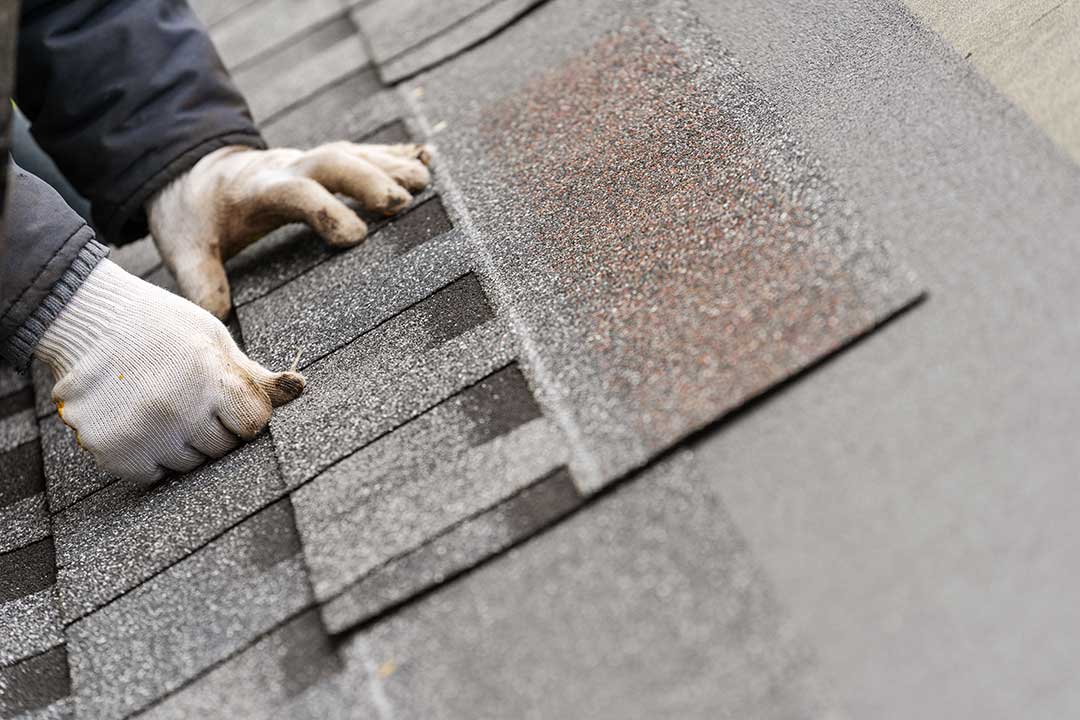
Underlayment is usually hidden, so warning signs often appear elsewhere. Possible clues include:
- Water stains on ceilings or upper walls
- Damp insulation in the attic
- Darkened or deteriorated roof decking
- Leaks that appear during wind-driven rain
- Water entry near eaves after snow begins melting
- Repeated leakage around valleys or roof penetrations
- Shingles that have lifted, blown off, or become cracked
- Wrinkled material visible at an unfinished roof edge
A leak may not appear directly below the damaged area. Water can travel along rafters, roof decking, insulation, or interior framing before becoming visible indoors.
Walking on a roof to investigate can damage shingles and create a fall hazard, especially when surfaces are wet, icy, steep, or covered with moss. Inspection from the attic or from the ground is safer for most residents. Roof access may require appropriate safety equipment and experience.
Does underlayment make a roof waterproof?
Underlayment improves a roof’s resistance to water, but it does not make the entire assembly waterproof by itself. Roofing performance depends on several connected parts:
- Adequate roof slope
- Sound and properly fastened decking
- Correctly installed underlayment
- Durable flashing
- Properly installed shingles or other roof covering
- Clear drainage paths
- Adequate attic ventilation and insulation
- Correct treatment of penetrations and transitions
A roof that repeatedly develops ice dams may need improvements beyond replacement underlayment. Air leaks from the living space, insufficient insulation, blocked soffit vents, and uneven roof temperatures can all contribute to winter problems.
What should be documented during roof work?
For future maintenance, useful records include the type of underlayment installed, where ice-barrier membrane was used, the roof-covering manufacturer’s installation requirements, and any areas where roof decking was replaced.
Photographs taken before the outer roof covering is installed can also help document valleys, flashing, penetrations, and eave details. These records are especially useful when a roof has multiple additions or unusual transitions that may be difficult to understand later.
The most dependable roof assembly is not defined by one material. It is the result of compatible components, correct laps and fastening, careful flashing, and details suited to the roof’s slope and exposure.
