
What Causes Shingles to Curl and Crack in Tonawanda, NY?
Shingle curling and cracking usually result from a mix of local weather conditions, roof age, and installation factors. In Tonawanda, winters bring freezing temperatures, ice, and snow, while summers can include heatwaves and UV exposure. This cyclical climate pushes roofing materials through stressful freeze-thaw cycles, contributing to both curling and cracking.
Moisture can sneak under shingles due to frequent rain or lingering ice dams, which may also accelerate wear. Over time, the asphalt in shingles naturally loses flexibility, making them prone to curling at the edges or cracking along the surface.
How Serious Are Curling and Cracking Shingles?
Both issues act as early warning signs, rather than emergencies, but they shouldn’t be ignored. Curled or cracked shingles create paths for water to seep beneath the roof’s surface, potentially leading to leaks, mold, or wood rot. Tonawanda homes often have roofs visible from the street or sidewalk, so these signs can also hint at wider roof or attic moisture problems.
Unchecked, minor damage may turn into larger repairs, especially after heavy lake-effect snow or wind events common to the area. The sooner residents recognize and address these issues, the better they can maintain the roof’s long-term performance.
What Does Shingle Curling or Cracking Look Like?
Curled shingles typically lift at the corners or edges, creating a warped look that’s easy to spot from ground level. Cracked shingles show splits or fractures along their surfaces. Shingles may look brittle, and cracks can run from top to bottom or fan outward like a spiderweb.
On roofs with two or more layers of shingles, curling and cracking often appear sooner. Wind-driven rain can accentuate visible gaps, especially along eaves or ridge lines. Tonawanda homes surrounded by tall trees may see more rapid aging, as shade prolongs morning dampness and fallen debris retains moisture on the roof.
Can Curled or Cracked Shingles Be Fixed Without Full Roof Replacement?
Small areas of damage can often be repaired if the underlying roof deck is still sound and the shingles are not excessively brittle. Cracked shingles may be sealed with roofing cement as a temporary measure. If individual shingles are curling but not yet torn, adhesives can sometimes secure corners back in place.
It’s safe to replace small numbers of shingles by sliding new ones into position, provided the roof isn’t near the end of its service life. For widespread or advanced damage—such as curling/cracking visible across large sections—a comprehensive approach is safer in the long run.
How Can Local Residents Minimize Future Shingle Damage?
Area homeowners can take steps to lessen the speed of shingle wear:
- Keep gutters clear, especially in autumn and early winter, to avoid water backup and ice dams.
- Trim overhanging branches to limit shade and debris that trap moisture.
- Inspect attics for signs of ventilation issues, such as mold, damp insulation, or frequent icicle formation on the roof’s edge.
- Check roofs after major storms, wind events, or especially heavy snows for new signs of shingle movement.
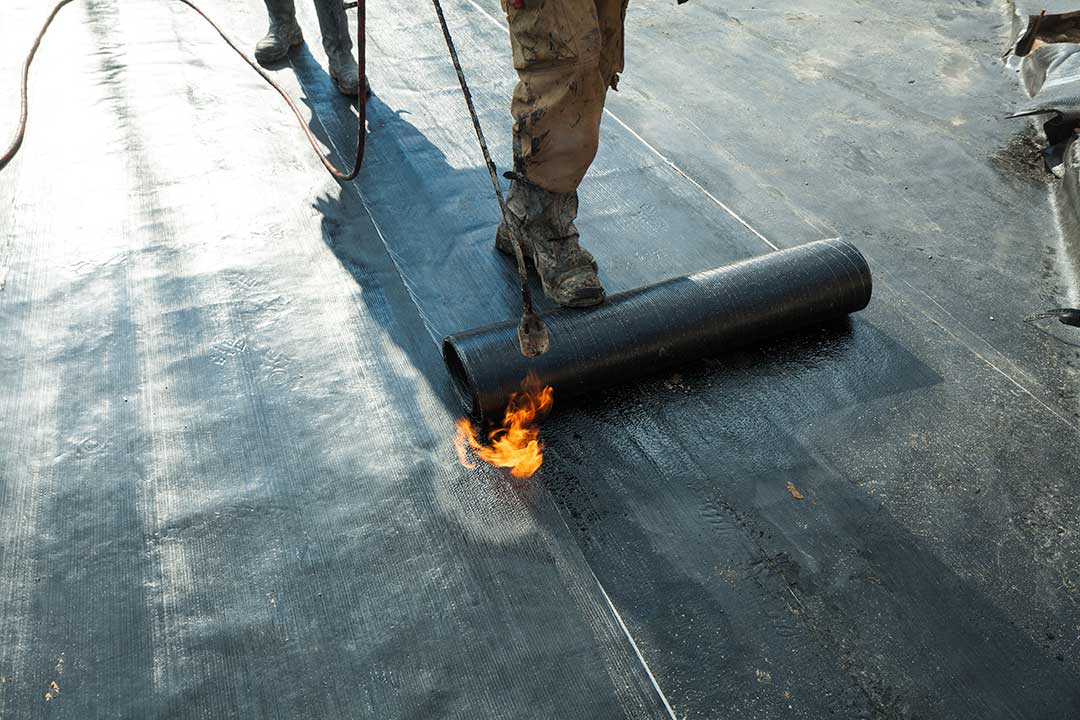
The transition from winter to spring is an excellent time for a careful roof check, given freeze-thaw damage often reveals itself as weather warms.
What Are Common Misconceptions About Shingle Wear?
It’s easy to assume all aging or imperfect shingles require total replacement. In reality, some curling and minor cracking can be monitored safely, especially on newer roofs or with limited affected patches.
Another misconception is that roof color or shingle brand makes a dramatic difference in durability. In Tonawanda, the frequent temperature swings and mix of moisture and sun exposure affect all shingle types to some degree. Roof ventilation and quality installation usually make a greater difference than shingle variety.
When Is Professional Input Necessary?
If curling or cracking is paired with interior leaks, widespread mold odor in living areas, or visible roof sagging, the structural integrity of the roof may be at risk. Dealing with steep or high roofs can be hazardous, especially under icy or wet conditions. In these cases, or when water damage spreads inside the home, expert assessment is the safest path to protect the rest of the structure.
